Dream Story: Elevating Design with Monoline Hand-Brushed Typography
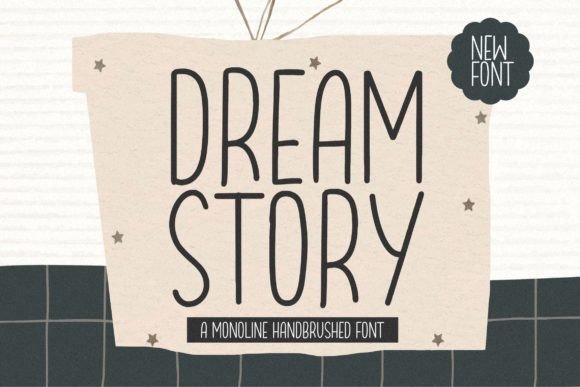
In the vast landscape of digital typography, finding a font that strikes the perfect balance between professional polish and authentic human touch can feel like searching for a needle in a haystack. Designers, crafters, and business owners often find themselves toggling between rigid, sterile sans-serifs and overly ornate scripts that sacrifice readability for flair. Enter Dream Story, a typeface that has quietly become a staple for creators seeking versatility without compromising on character. As a monoline hand-brushed font presented in all-caps, it offers a unique aesthetic that bridges the gap between casual handwriting and structured design.
This article explores the nuances of Dream Story, examining why this specific style resonates with modern audiences and how it can be effectively integrated into various creative projects. Whether you are designing a wedding invitation, crafting a social media graphic, or branding a small business, understanding the capabilities and limitations of this font is essential for maximizing its potential.
The Aesthetic Appeal of Monoline Hand-Brushed Styles
To appreciate Dream Story, one must first understand the mechanics of its design. The term "monoline" refers to strokes that maintain a consistent width throughout, lacking the thick-and-thin variation found in traditional calligraphy. When combined with a "hand-brushed" texture, the result is a look that mimics the organic imperfections of a marker or brush pen, yet retains the uniformity necessary for clean, legible text.
The all-caps structure of Dream Story further enhances its utility. While lowercase letters are standard for long-form reading, all-caps fonts convey authority, simplicity, and modernity. They are particularly effective for headlines, short phrases, and logos where impact is prioritized over narrative flow. The combination of these elements creates a visual voice that is both friendly and confident, making it an ideal choice for brands that want to appear approachable yet professional.
Key Characteristics That Define Usability
What sets this font apart from countless other handwritten options available online? The answer lies in its deliberate design choices. Here are the core features that contribute to its widespread adoption:
- Consistent Stroke Weight: The monoline nature ensures that the font remains legible even at smaller sizes or when printed on textured materials.
- Natural Imperfections: Subtle variations in the brush edges prevent the text from looking computer-generated, adding a layer of warmth and authenticity.
- Generous Spacing: Well-balanced kerning allows letters to breathe, reducing visual clutter and enhancing readability in all-caps formats.
- Versatile Personality: It is neutral enough to fit various industries yet distinct enough to stand out in crowded visual fields.
Practical Applications Across Industries
The true value of any typeface is measured by its adaptability. Dream Story shines in scenarios where a personal touch is required but professionalism cannot be sacrificed. Below are several real-world contexts where this font excels.
1. Greeting Cards and Stationery
For independent stationers and hobbyists, the emotional resonance of a font is paramount. Dream Story’s hand-brushed aesthetic evokes the feeling of a personally written note. It works exceptionally well for:
- Wedding invitations and save-the-dates.
- Birthday cards and milestone announcements.
- Thank-you notes included with product shipments.
When used in these contexts, the font helps bridge the physical distance between sender and recipient, creating a sense of intimacy and care.
2. Digital Marketing and Social Media
In the fast-paced world of Instagram, Pinterest, and TikTok, visuals must capture attention within seconds. All-caps fonts are highly effective for overlay text on images because they are easy to scan quickly. Creators use Dream Story to highlight key quotes, announce sales, or label tutorial steps. Its clean lines ensure that the text does not compete with the background imagery, maintaining a cohesive and aesthetically pleasing feed.
3. Small Business Branding
For entrepreneurs launching boutiques, cafes, or artisanal shops, branding needs to tell a story instantly. Dream Story can serve as a primary logo font or a secondary accent typeface. It conveys craftsmanship and attention to detail, qualities that are highly valued in the handmade and boutique sectors. However, it is crucial to pair it with a simple sans-serif font for body text to ensure that contact information and detailed descriptions remain easily readable.
Evaluating Suitability: Is This Font Right for Your Project?
While Dream Story is versatile, it is not a universal solution. Understanding its limitations is just as important as recognizing its strengths. Before committing to this typeface for a major project, consider the following factors.
Readability Constraints: As with most all-caps handwritten fonts, Dream Story is not suitable for long paragraphs of text. The lack of ascenders and descenders (the parts of letters like 'h' or 'p' that extend above or below the baseline) makes continuous reading fatiguing for the eye. Reserve this font for headlines, titles, and short captions.
Contextual Tone: The hand-brushed style carries a casual, creative vibe. It may not be appropriate for highly formal corporate reports, legal documents, or industries that require a strict, traditional image such as law or finance. Always align the font’s personality with your brand’s voice.
Technical Compatibility: Ensure that the font file format (usually OTF or TTF) is compatible with your design software. Most modern applications like Adobe Photoshop, Illustrator, Canva, and Procreate support these formats seamlessly, but it is wise to test the installation before beginning a critical project.
Tips for Maximizing Visual Impact
To get the most out of Dream Story, consider these practical design tips:
- Play with Color: Since the stroke weight is uniform, the font responds well to bold, vibrant colors. Try using pastel shades for a soft, dreamy effect or deep, saturated tones for high contrast.
- Layering Effects: Experiment with layering the text over textured backgrounds, such as watercolor paper or wood grain, to enhance the handcrafted feel.
- Spacing Adjustments: Depending on the word length, you may need to adjust tracking (letter spacing). Slightly increasing the space between letters can improve legibility and create a more airy, elegant look.
- Pairing Strategies: Combine Dream Story with a clean, geometric sans-serif font. This contrast highlights the organic nature of the brushed font while ensuring that supporting information remains clear and professional.
The Future of Handwritten Digital Typography
The popularity of fonts like Dream Story reflects a broader trend in design: the desire for authenticity in a digital world. As consumers become increasingly skeptical of overly polished, corporate aesthetics, they gravitate toward brands and content that feel human and relatable. Hand-brushed fonts offer a tactile quality that digital screens often lack, reminding users of the human hand behind the design.
For creators, this means that mastering the use of such typefaces is not just about following a trend, but about connecting with audiences on a deeper level. By choosing a font that balances artistic flair with functional clarity, you signal that you value both beauty and usability.
Final Thoughts
Dream Story is more than just a collection of letters; it is a tool for storytelling. Its monoline hand-brushed design offers a rare combination of consistency and charm, making it a valuable asset for anyone involved in visual communication. From crafting heartfelt greeting cards to designing compelling social media graphics, this font provides the flexibility needed to bring creative visions to life.
By understanding its strengths, respecting its limitations, and applying it thoughtfully, you can elevate your designs and create content that resonates with your audience. Whether you are a seasoned designer or a beginner exploring the world of typography, giving Dream Story a place in your toolkit may well transform it into your favorite go-to resource for occasions that demand a personal touch.