Unlocking Modern Design: How the Bony Brush Font Elevates Visual Communication
In the vast landscape of digital typography, finding a typeface that balances artistic flair with functional clarity can be a challenge for designers and content creators alike. Enter Bony, a modern brush font that has quickly gained traction for its ability to inject personality into static designs. Unlike traditional serif or sans-serif options, Bony offers a distinct aesthetic that merges the organic feel of hand-painted lettering with the precision of digital vector graphics. This article explores the unique characteristics of Bony, its practical applications across various industries, and why it has become a go-to choice for those seeking a clean yet bold visual identity.
Understanding the Aesthetic of Bony
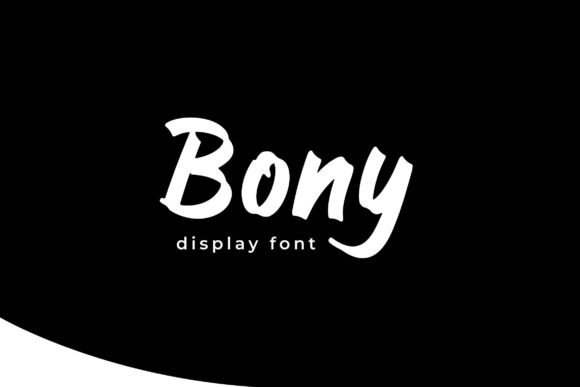
To truly appreciate the utility of Bony, one must first understand what defines a "modern brush font." Traditional brush scripts often mimic the erratic, flowing strokes of a calligraphy pen, which can sometimes sacrifice legibility for style. Bony, however, takes a different approach. It brings clean and modern looks to your items through a structured yet dynamic design. The font features bold, brushed strokes that maintain consistent weight and spacing, ensuring that the text remains readable even at smaller sizes or from a distance.
The term "brushed style" refers to the texture and edge quality of the letters. In Bony, these edges are not rough or unfinished; rather, they are carefully crafted to suggest the movement of a brush without the messiness. This duality—boldness paired with cleanliness—is what makes Bony versatile. It does not scream for attention in a chaotic way; instead, it commands respect through confident, solid forms. For beginners in graphic design, this means you do not need to spend hours adjusting kerning or cleaning up jagged edges to make the font look professional. It is ready to use out of the box.
The Psychology of Bold Typography
Why choose a bold font like Bony? Typography is not just about reading; it is about feeling. Bold fonts convey strength, reliability, and modernity. When a viewer encounters Bony in an advertisement or on a book cover, the immediate subconscious association is one of confidence. This is particularly important in branding, where first impressions are formed in milliseconds. By using a font that is both artistic and sturdy, businesses can signal that they are creative yet dependable.
Practical Applications Across Industries
One of the most significant advantages of Bony is its adaptability. While some fonts are niche-specific, Bony can be used in any work, ranging from literary projects to commercial advertising. Below, we explore several key areas where this font shines.
- Book Titles and Covers: For authors and publishers, the cover is the primary marketing tool. Bony’s bold strokes stand out on thumbnail images in online bookstores, making it ideal for genres like contemporary fiction, self-help, and modern thrillers.
- Music Covers and Album Art: Musicians often seek typography that reflects the energy of their sound. Bony provides a rhythmic visual quality that complements modern pop, indie, and electronic music aesthetics.
- Children’s Books: While often associated with serious design, Bony’s playful yet clear structure makes it suitable for children’s literature. It is friendly enough for young readers but sophisticated enough to appeal to parents.
- Posters and Advertisements: In print media, impact is everything. The high contrast of Bony ensures that headlines grab attention immediately, whether on a subway poster or a digital banner ad.
- Social Media Content: In the fast-scrolling world of Instagram and TikTok, text overlays need to be instantly readable. Bony’s clean lines ensure that quotes, announcements, and promotional text are easily digestible on small screens.
- Logos and Branding: For startups and small businesses, a logo needs to be memorable. Bony can serve as a standalone logotype or be paired with a simpler sans-serif font for a balanced brand identity.
Integrating Bony into Your Workflow
For designers and non-designers alike, integrating a new font into a workflow requires understanding how it interacts with other design elements. Bony is not just a standalone element; it is part of a visual ecosystem. Here are some tips for maximizing its potential.
- Pairing with Simplicity: Because Bony is bold and distinctive, it pairs best with neutral, simple fonts. Use a light sans-serif for body text to let Bony shine in headlines. This contrast creates a hierarchy that guides the reader’s eye naturally.
- Color Considerations: The brushed texture of Bony holds color well. It works beautifully in monochrome black and white for a classic look, but it also pops in vibrant colors. Experiment with gradients to enhance the depth of the brush strokes.
- Whitespace Management: Bold fonts require breathing room. Do not crowd Bony with other graphical elements. Allow ample whitespace around the text to emphasize its modern, clean aesthetic.
- Scale and Proportion: Bony is designed to be impactful. Avoid using it at very small sizes for long paragraphs. Instead, reserve it for titles, headers, and short punchy statements where its character can be fully appreciated.
Common Misconceptions About Brush Fonts
A common misunderstanding is that brush fonts are inherently informal or unprofessional. This assumption stems from older, handwritten-style scripts that lacked structural integrity. However, modern brush fonts like Bony challenge this notion. They are engineered with the same precision as traditional typefaces. The "handmade" look is a stylistic choice, not a lack of technical refinement. Therefore, using Bony in corporate presentations or formal educational materials is entirely appropriate, provided it is used for emphasis rather than bulk text.
Another misconception is that such fonts are difficult to read. While highly decorative scripts can be challenging, Bony prioritizes legibility. Its characters are distinct and well-spaced, reducing cognitive load for the reader. This makes it an excellent choice for educational materials where engagement is key, but clarity cannot be compromised.
The Role of Bony in Modern Digital Culture
We live in an era of visual saturation. Every day, consumers are bombarded with thousands of images and messages. To cut through the noise, brands and creators need tools that offer immediate recognition. Bony fits into this modern context by offering a blend of familiarity and novelty. It feels human because of the brush texture, yet it feels digital because of its clean lines. This hybrid nature resonates with contemporary audiences who value authenticity but expect professionalism.
In education, for instance, teachers and instructional designers can use Bony to make learning materials more engaging. A worksheet header in Bony is more inviting than a standard Times New Roman title, potentially increasing student interest. In technology, app interfaces can use Bony for onboarding screens or feature highlights to add a touch of warmth to otherwise cold digital environments.
Conclusion: Embracing Versatility in Design
The rise of Bony represents a broader trend in typography: the desire for fonts that are both expressive and functional. It proves that you do not have to choose between artistic integrity and practical usability. Whether you are designing a logo for a new startup, creating a social media campaign, or formatting a children’s book, Bony offers a reliable and stylish solution.
By understanding the strengths of this modern brush font—its boldness, cleanliness, and versatility—you can elevate your visual communication. It invites creativity without demanding excessive technical skill, making it accessible to beginners while remaining robust enough for experienced designers. As you continue to explore the world of typography, consider how Bony can fit into your toolkit. It is more than just a font; it is a statement of modern design sensibility, ready to bring life and clarity to your next project.
Remember, the best design choices are those that serve the content and the audience. Bony does exactly that by providing a clear, engaging, and aesthetically pleasing vessel for your message. So, the next time you start a new design task, ask yourself if the bold, brushed style of Bony might be the perfect touch to bring your vision to life.